😃 Subscribe for Post Emails:
Oct 6:
MCS & Story Development,
Writing Process & Planning,
Chapters & Openings
Pantsers Flail, Plotters Prevail: One Column with Three Keys to Unlock Your Plot
Sep 22:
MCS & Story Development,
Writing Process & Planning
Sketch Your Next Novel Our Way; Get Started in One Day
Sep 8:
MCS & Story Development,
Writing Process & Planning,
Feedback & Retelling
Good Spiraling: Conscientiously Add Ideation and Feedback to Write Better Novels
Aug 25:
MCS & Story Development,
Writing Process & Planning
Once Upon a Time? What Fairy Tales Teach Novelists About Memory and Writing
Aug 11:
Writing Process & Planning,
Chapters & Openings
Part 3: Mastering the 100,000-Word Novel Budget: Multivalue Paragraphs
Jul 28:
Writing Process & Planning,
Chapters & Openings
Part 2: Mastering the 100,000-Word Novel Budget: Satisfying Chapters
Jul 14:
MCS & Story Development,
Writing Process & Planning,
Chapters & Openings
Part 1: How to Master the 100,000-Word Novel Budget and Make Every Word Count
Jun 30:
Feedback & Retelling,
Writer Personas,
Mindset & Motivation
Isolation's Impact: Evidence that Authors Misjudge Their Work
Jun 16:
MCS & Story Development,
Chapters & Openings,
Feedback & Retelling
Unlocking Story Sense: The Differentiator Between Good and Great Authors
Jun 2:
Contests & Anthologies,
Publishing & Career
Creation vs. Generation: Drawing a Non-technical Red Line Between Human Authorship and AI
May 19:
Marketing & Promotion,
Publishing & Career
Author Bio: From Bore to Brand with an Irresistible Tidbit in 6 Steps
May 5:
Marketing & Promotion,
Publishing & Career
Five Steps to a better Novel Cover: The A.T.E. Roadmap
Apr 21:
Marketing & Promotion,
Publishing & Career
Writers as Solepreneurs: Why Finishing your Novel Opens the Best Door to a Rewarding Business
Apr 14:
Marketing & Promotion,
Publishing & Career
How Authors Can Succeed During Economic Downturns
Apr 8:
MCS & Story Development,
Writing Process & Planning,
Publishing & Career
Have Sales Chase You: Select Writing Projects with Passion and Potential
Mar 25:
Writing Process & Planning,
Chapters & Openings,
Feedback & Retelling
The Art of Orientation: Anchoring Your Reader at Every Chapter Break
Mar 11:
Feedback & Retelling,
Writer Personas,
Mindset & Motivation
How to Cultivate "Healthy Arrogance": Part 2: The Confidence You Need to Break Through as a Novelist
Feb 25:
Feedback & Retelling,
Writer Personas,
Mindset & Motivation
How to Cultivate "Healthy Arrogance": Part 1: What Not to Do
Feb 11:
MCS & Story Development,
Writing Process & Planning,
Feedback & Retelling
Stop Writing in a Straight Line: The Power of Nonlinear Novel Development
Jan 29:
Writing Process & Planning,
Feedback & Retelling
The Waiter Problem: Why Authors Need True Product Testing
Jan 15:
MCS & Story Development,
Writing Process & Planning,
Publishing & Career
Separability Secrets: Why Subpar Prose Sells & 3 Ways that Helps Your Novels
Dec 10:
MCS & Story Development,
Characters
Create Authentic, Investable Characters: A Free Comprehensive Online Developer
Dec 3:
MCS & Story Development,
Writing Process & Planning
How to Crystallize Your Novel’s Narrative: The 4 Stages of the Minimum Complete Story
Nov 12:
MCS & Story Development,
Writing Process & Planning,
Marketing & Promotion
The 9-Sentence Novel: How to Build a Minimum Complete Story (MCS)
Nov 5:
MCS & Story Development,
Writing Process & Planning,
Feedback & Retelling
Our Minimum Complete Story (MCS): Better Novels in 90 Seconds
Oct 29:
MCS & Story Development,
Characters
Example Character: Meet Pat the Firefighter
Oct 22:
MCS & Story Development,
Characters
Character Recipe Step 2: Blend Your Equation Ingredients to Relatable Beings
Oct 16:
MCS & Story Development,
Characters
Character Equation Three: Steal Distinctiveness from Referents You Know
Oct 9:
Feedback & Retelling,
Marketing & Promotion,
Publishing & Career
Turn Readers into Superfans: Build Two-Way Connections
Oct 1:
MCS & Story Development,
Characters
Character Equation Two: Take Advantage of Readers' Cultural Knowledge
Sep 23:
MCS & Story Development,
Characters
Character Equation One: Steal Parts of Yourself For A Publishable Character
Sep 17:
Feedback & Retelling,
Publishing & Career
The Publishability Index™: A Checklist for Your Story
Sep 11:
Chapters & Openings,
Feedback & Retelling,
Contests & Anthologies
Four Musts for Compelling First Chapters
Sep 4:
Writer Personas,
Mindset & Motivation
What's Your Writer Persona? Message Morgan
Aug 28:
Writer Personas,
Mindset & Motivation,
Publishing & Career
What's Your Writer Persona? Grandiose Gary
Aug 21:
Writer Personas,
Mindset & Motivation,
Publishing & Career
What's Your Writer Persona? Publication Pat
Aug 7:
Writer Personas,
Mindset & Motivation
What's Your Writer Persona? Motivation Max
Jul 30:
Writer Personas,
Mindset & Motivation
What's Your Writer Persona? Learning Logan
Jul 9:
MCS & Story Development,
Writing Process & Planning
Bardsy's MCS: A Small Story That Makes a Big Difference
Jun 25:
Chapters & Openings,
Feedback & Retelling
How to Hook Your Readers (and Keep Them) via Commonality
Jun 11:
Mindset & Motivation,
Publishing & Career
Stories, Sweat, and Tears: 6 Tips for Writers Dealing with Rejection
Jun 4:
Feedback & Retelling,
Marketing & Promotion
Effectively Using Beta Readers in 2025
May 21:
Writing Process & Planning,
Mindset & Motivation
Have Something to Show for Your Summer
May 15:
Writing Process & Planning,
Feedback & Retelling
A Guide to Bardsy's Directed Writing Groups
Apr 24:
Writing Process & Planning,
Feedback & Retelling,
Mindset & Motivation
What Can a Writing Coach Do for You?
Feb 23:
Mindset & Motivation,
Contests & Anthologies,
Publishing & Career
Thanks, but No Thanks: When Your Writing Gets Rejected
Feb 16:
Writing Process & Planning,
Feedback & Retelling,
Contests & Anthologies
Winning Revisions: Making Writing Feedback Work for You
Feb 5:
Writing Process & Planning,
Feedback & Retelling
Collecting Writing Feedback You Can Actually Use
Jan 22:
Chapters & Openings,
Feedback & Retelling,
Contests & Anthologies
Is My First Chapter a Winner?
Jan 15:
Marketing & Promotion,
Publishing & Career
Social Media for Authors: A Marketing Mindset
Dec 30:
Marketing & Promotion,
Publishing & Career
But I Don't Want to be an Influencer . . . Social Media for Authors
Dec 18:
Writer Personas,
Mindset & Motivation,
Publishing & Career
What's Your Writer Persona? Hobbyist Hayden + Career Cary
Dec 10:
Feedback & Retelling,
Writer Personas,
Mindset & Motivation
What's Your Writer Persona? Social Sam
Jun 12:
Writing Process & Planning,
Writer Personas,
Mindset & Motivation
Planning Your Success: We're Here to Help!
Jun 5:
Feedback & Retelling,
Contests & Anthologies,
Publishing & Career
Fear Not ChatGPT: Only Humans Can Judge Writing Contests (And Stories)
Apr 23:
Feedback & Retelling,
Contests & Anthologies,
Publishing & Career
Bardsy's 2024 Anthology Contest
Apr 10:
MCS & Story Development,
Writing Process & Planning,
Feedback & Retelling
How to Prototype Your Novel and Ensure Coherence via Short Stories
Mar 19:
MCS & Story Development,
Writing Process & Planning
The Art of Memoir: Exploring the Intersection of Truth and Storytelling
Jan 17:
Mindset & Motivation,
Publishing & Career
Decisions, Decisions: Choosing a Writing Conference & Maximizing Your Time
Jan 3:
Mindset & Motivation,
Publishing & Career
Writing Conferences: A Writer’s Paradise or a Wasted Weekend?
Sep 6:
Chapters & Openings,
Feedback & Retelling,
Contests & Anthologies
What Makes a First Chapter Anthology Contest Finalist??
Jul 19:
Contests & Anthologies,
Marketing & Promotion,
Publishing & Career
Become a Published Author: What Goes Into Self-Publishing on Amazon
Jul 5:
Contests & Anthologies,
Publishing & Career
What Anthology Publication Can Do for You
Jun 28:
Feedback & Retelling,
Contests & Anthologies
How to Win Writing Contests by Passing These 3 Tests
May 10:
Contests & Anthologies,
Publishing & Career
Your Guide to Entering—and Winning—Writing Contests
May 3:
Writing Process & Planning,
Feedback & Retelling
How Great Writing Workshops Work
Mar 1:
Feedback & Retelling,
Contests & Anthologies
The Best Feedback You Will Ever Receive
Feb 15:
Writer Personas,
Mindset & Motivation
Writing Personas: Ready Riley!
Feb 6:
Marketing & Promotion,
Publishing & Career
7 Tips for Writing an Author Bio That Gets You Noticed
Jan 31:
Marketing & Promotion,
Publishing & Career
Yes, You Need an Author Website—Even If You’re Unpublished
Jun 22:
Mindset & Motivation,
Contests & Anthologies,
Publishing & Career
Small Steps to Big Success with Bardsy Anthologies
Jun 15:
Writing Process & Planning,
Mindset & Motivation
You’ll Love Writing with Will.Power
Jun 8:
Writing Process & Planning,
Feedback & Retelling,
Contests & Anthologies
Submit Early for Success
May 10:
Writing Process & Planning,
Mindset & Motivation
Determine the Next Step in Your Writing
May 4:
Writing Process & Planning,
Mindset & Motivation
Break Through Your Blocks with Will.Power
Mar 24:
Contests & Anthologies,
Publishing & Career
Avoid Instant Disqualification
Dec 14:
Feedback & Retelling,
Contests & Anthologies
Give and Ye Shall Receive
Nov 8:
MCS & Story Development,
Writing Process & Planning,
Contests & Anthologies
Turn Your Short Story Into a Novel
Takeaway
Your cover isn't just art; it’s a functional marketing tool. By using the Value Triangle (Character, Genre, Bonus) and the A.T.E. Framework, novelists can move from "invisible" to "must-read." Avoid AI and DIY traps—invest in a professional designer who understands your genre's specific "vibe" to ensure your book meets reader expectations at a glance.

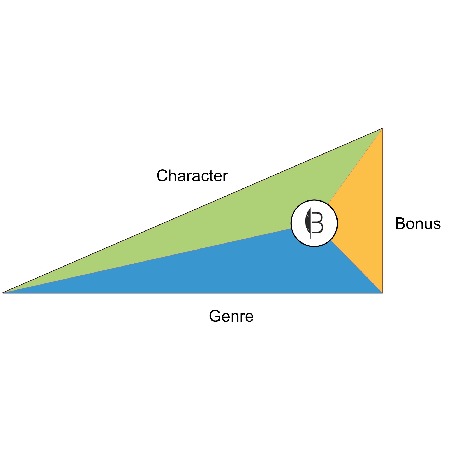
Your cover visually expresses this triangle, bringing its value to life.
Too often, the thousand or so novelists we've met say: "I just want to write," and ask us (or someone else) to handle the rest. It's a relatable sentiment, especially for those, like us, who tend toward introversion. Yet reality invariably intrudes. Even traditional presses expect authors to market their book, not to mention indies. Of course, that goes quintuple for self-publishers. Our path makes promotion less of a chore and more of an extension of your storytelling. Your cover offers a great place to start, and we can summarize it in a digestible acronym: A.T.E. (Attract, Trust, and Expect). The right cover is your best path toward sales, so please take this critical task seriously.
The Value Triangle
The centerpiece of cover design is your Value Triangle. It also connects your writing process to marketing and should drive the rest of your promotional efforts. Crucially, you need to commit to a particular value triangle before you start talking to designers about covers. Meanwhile, you must ensure that your triangle's three elements permeate your novel. To review, here are its three sides:
Character, which establishes the empathic relationship critical to reader satisfaction.
Genre, the expectations that must be met through your plot, conflict, theme, and world.
Bonus, the "special sauce" you bring to the story, like a magic system, plot twist, or romance kink that only your work offers.
Your cover visually expresses this triangle, bringing its value to life. It helps readers discover your book; trust its value; and anticipate what lies inside. For those interested in these business school fundamentals, Google "consumer journey." Our A.T.E. plan captures these three necessities for your cover: Attract, Trust, and Expect.
1. Attract: Solving the Discoverability Problem
Depending on the threshold set, every year roughly 150,000 new novels appear. Thus, your biggest enemy is invisibility, what marketing types call the "discoverability" problem. To give yourself a leg up, your cover must address this issue. Put simply, your cover must grab the passersby's attention. Think first about the context. We can imagine some scenarios that your cover must conquer: a spine amidst its competitors on a bookstore's shelf, an image on a webpage, or your book propped up on a stand at a book fair. What must the cover do? Two things:
Stand out: Imagine your book on that crowded shelf or as a small thumbnail on a website. Does it draw the eye? We'll talk about testing this below.
Good vs. Bad Attention: Beyond standing out, don't use counterproductive tricks to game this test. Try not to be loud and annoying, like an air horn. The goal is to earn a potential reader's pause and purposeful attention. You want them to stop scanning or scrolling because they notice something promising.
2. Trust: Establishing Credibility
Once you have earned attention, it only pays off when it advances your sales goal. The key for covers here is trust. Your potential reader must see your novel as valuable. Too many authors fall short of this goal by looking amateurish. A professional look establishes credibility, a belief that your book is worth their time and money.
Hire a Professional Designer: The most important lesson for today: hire a pro, an experienced cover designer, for the work. You've spent at least a year's effort on this project, all of which a cheap DIY cover will waste. Beg, borrow or steal the money, around $350, if necessary. It is the best investment any author can make.
Avoid AI-generated covers. AI is bad for too many reasons to list. When it comes to covers, AI has a discernible aesthetic that potential readers find off-putting if not cancel-worthy. It signals a lack of humanity and related connection for which readers yearn.
Don't Experiment: Unless you're republishing a famous work, it is not the time to reinvent the wheel. So, no mysterious covers with no title. Stick with what works for your genre, and do it slightly better than everyone else.
Legibility is Key: Ensure the title is readable and clear. A passerby has to remember the title to set up a future purchase. Viewers should be able to decipher the title in a split second; if not, time to rework.
3. Expect: The Transparency Takeaway
Authors often worry about giving away too much. This leads to huge mistakes. A great cover reassures potential readers. So, let them know exactly what they're getting. Use your value triangle to ensure your cover's concrete promise.
Genre Alignment: Your book should resemble similar books in its genre so the viewer knows what's inside. Thrillers, for example, should thrill; horror should scare, and so on. Remember how careful you were to meet those expectations in your writing; the cover's look bridges that work with your reward.
The Human Connection: Empathy is your paramount goal. Besides, humans are evolutionarily wired to take an interest in others. In short, character art works.
Show the Bonus: Your book's unique feature is its leading sales point. Have the cover make this offer clear. It may seem simple, but it bears repeating: a book about dragons needs a dragon on its cover.
Case Studies: Learning from Success
Here are three successful covers to see how they A.T.E.
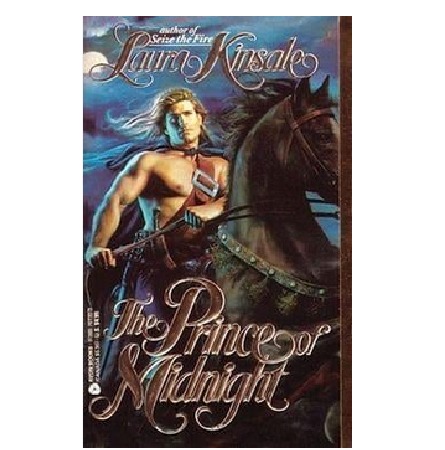
Consider, first, the Fabio cover from time past. While often subjected to jokes, they were immensely successful. Readers knew exactly what they were getting: the genre, the character, and the dream bonus. In addition, and this may be hard to believe, his presence suggested a kind of approval. The publisher thought enough of the work to pay his fee. It's a perfect A.T.E. execution.
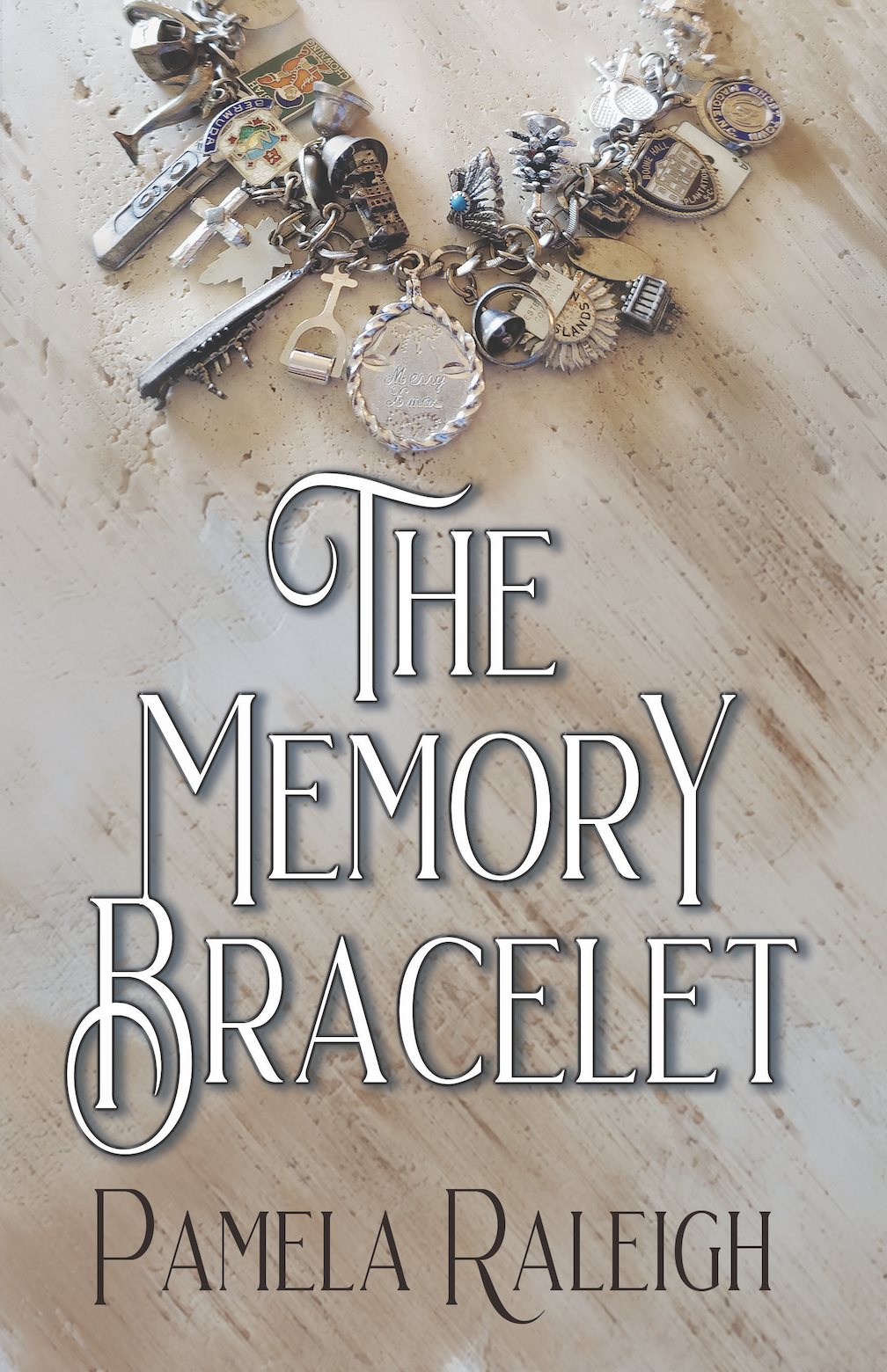
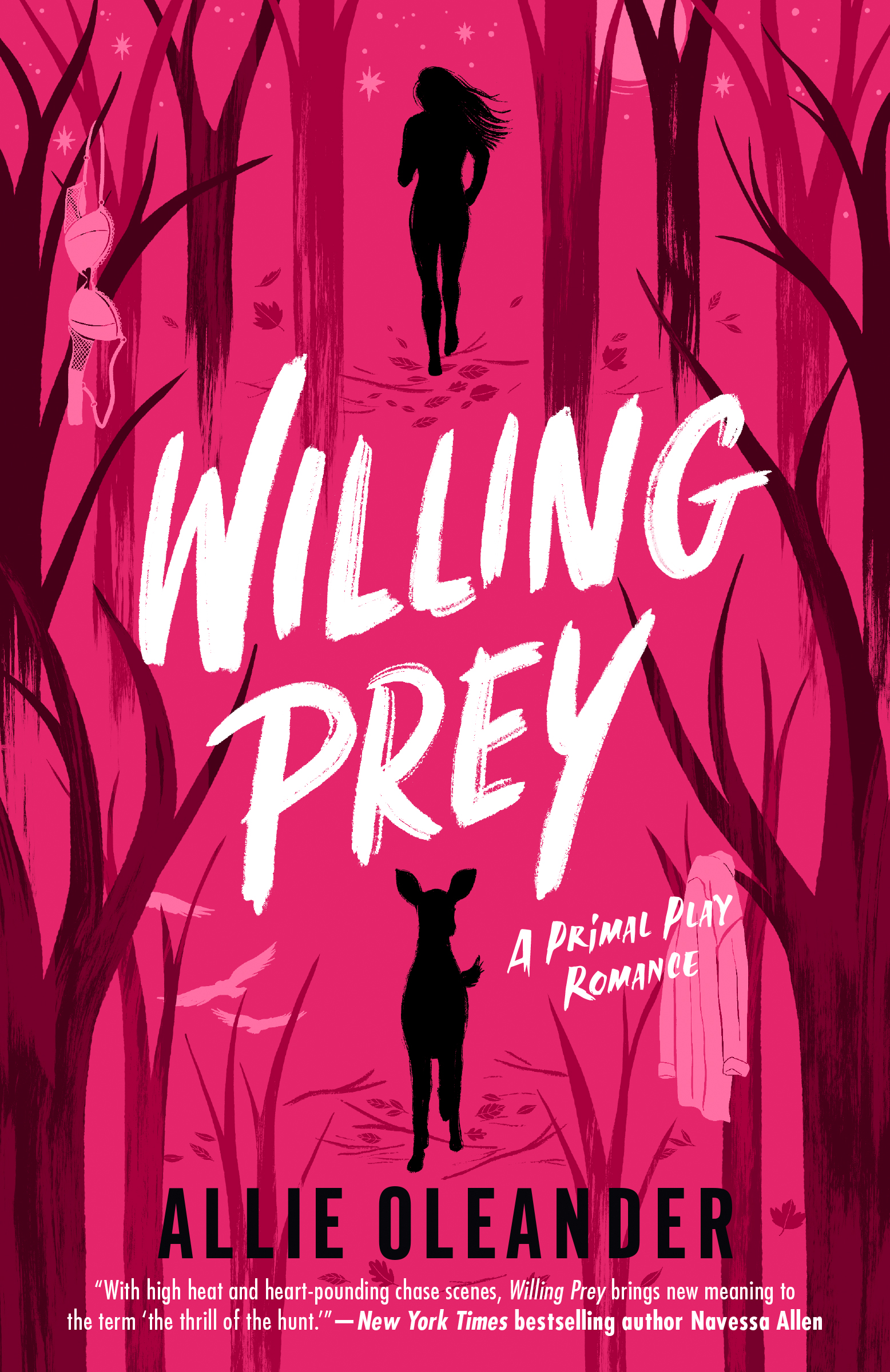
In the indie space, examine Pam's The Memory Bracelet. The large and elegant title fits the genre, and the central image delivers the story's exclusive hook. It also stands out. Willing Prey, from a traditional press, presents a perfect composition that guides the eye toward a contextualized title, then character. It hits all the right genre notes; plus, the color is wonderful.

Your cover is more than the icing on the cake; it's an integral part of the project.
Your 5-Step Roadmap to a Final Design
When you're ready to go, follow these five steps:
Finalize your Value Triangle: Ensure your Character, Genre, and Bonus are locked in. Then, find sample genre covers to use as benchmarks for your design.
Find your Creative: Look for a designer with a portfolio in your specific genre. Ask about a satisfaction guarantee; most good designers will work with you through revisions. Be authentic and aware; you may have to switch if the relationship isn't working.
Review Multiple Drafts: Don't settle for the first thing they send. Ask for 3 or 4 "pencil sketches" or rough concepts to see which direction feels right.
Evaluate: Test your concepts against your samples. Do they stand out? Do they signal the correct genre? Is the title clear?
Finalize: Get production-ready files, including a spine, from your pro when the polished manuscript is ready to go.
Your cover is more than the icing on the cake; it's an integral part of the project. The A.T.E. framework and the five steps will help you get it right! Feel free to share a prospective cover with us to see whether yours matches up.