😃 Subscribe for Post Emails:
Oct 6:
MCS & Story Development,
Writing Process & Planning,
Chapters & Openings
Pantsers Flail, Plotters Prevail: One Column with Three Keys to Unlock Your Plot
Sep 22:
MCS & Story Development,
Writing Process & Planning
Sketch Your Next Novel Our Way; Get Started in One Day
Sep 8:
MCS & Story Development,
Writing Process & Planning,
Feedback & Retelling
Good Spiraling: Conscientiously Add Ideation and Feedback to Write Better Novels
Aug 25:
MCS & Story Development,
Writing Process & Planning
Once Upon a Time? What Fairy Tales Teach Novelists About Memory and Writing
Aug 11:
Writing Process & Planning,
Chapters & Openings
Part 3: Mastering the 100,000-Word Novel Budget: Multivalue Paragraphs
Jul 28:
Writing Process & Planning,
Chapters & Openings
Part 2: Mastering the 100,000-Word Novel Budget: Satisfying Chapters
Jul 14:
MCS & Story Development,
Writing Process & Planning,
Chapters & Openings
Part 1: How to Master the 100,000-Word Novel Budget and Make Every Word Count
Jun 30:
Feedback & Retelling,
Writer Personas,
Mindset & Motivation
Isolation's Impact: Evidence that Authors Misjudge Their Work
Jun 16:
MCS & Story Development,
Chapters & Openings,
Feedback & Retelling
Unlocking Story Sense: The Differentiator Between Good and Great Authors
Jun 2:
Contests & Anthologies,
Publishing & Career
Creation vs. Generation: Drawing a Non-technical Red Line Between Human Authorship and AI
May 19:
Marketing & Promotion,
Publishing & Career
Author Bio: From Bore to Brand with an Irresistible Tidbit in 6 Steps
May 5:
Marketing & Promotion,
Publishing & Career
Five Steps to a better Novel Cover: The A.T.E. Roadmap
Apr 21:
Marketing & Promotion,
Publishing & Career
Writers as Solepreneurs: Why Finishing your Novel Opens the Best Door to a Rewarding Business
Apr 14:
Marketing & Promotion,
Publishing & Career
How Authors Can Succeed During Economic Downturns
Apr 8:
MCS & Story Development,
Writing Process & Planning,
Publishing & Career
Have Sales Chase You: Select Writing Projects with Passion and Potential
Mar 25:
Writing Process & Planning,
Chapters & Openings,
Feedback & Retelling
The Art of Orientation: Anchoring Your Reader at Every Chapter Break
Mar 11:
Feedback & Retelling,
Writer Personas,
Mindset & Motivation
How to Cultivate "Healthy Arrogance": Part 2: The Confidence You Need to Break Through as a Novelist
Feb 25:
Feedback & Retelling,
Writer Personas,
Mindset & Motivation
How to Cultivate "Healthy Arrogance": Part 1: What Not to Do
Feb 11:
MCS & Story Development,
Writing Process & Planning,
Feedback & Retelling
Stop Writing in a Straight Line: The Power of Nonlinear Novel Development
Jan 29:
Writing Process & Planning,
Feedback & Retelling
The Waiter Problem: Why Authors Need True Product Testing
Jan 15:
MCS & Story Development,
Writing Process & Planning,
Publishing & Career
Separability Secrets: Why Subpar Prose Sells & 3 Ways that Helps Your Novels
Dec 10:
MCS & Story Development,
Characters
Create Authentic, Investable Characters: A Free Comprehensive Online Developer
Dec 3:
MCS & Story Development,
Writing Process & Planning
How to Crystallize Your Novel’s Narrative: The 4 Stages of the Minimum Complete Story
Nov 12:
MCS & Story Development,
Writing Process & Planning,
Marketing & Promotion
The 9-Sentence Novel: How to Build a Minimum Complete Story (MCS)
Nov 5:
MCS & Story Development,
Writing Process & Planning,
Feedback & Retelling
Our Minimum Complete Story (MCS): Better Novels in 90 Seconds
Oct 29:
MCS & Story Development,
Characters
Example Character: Meet Pat the Firefighter
Oct 22:
MCS & Story Development,
Characters
Character Recipe Step 2: Blend Your Equation Ingredients to Relatable Beings
Oct 16:
MCS & Story Development,
Characters
Character Equation Three: Steal Distinctiveness from Referents You Know
Oct 9:
Feedback & Retelling,
Marketing & Promotion,
Publishing & Career
Turn Readers into Superfans: Build Two-Way Connections
Oct 1:
MCS & Story Development,
Characters
Character Equation Two: Take Advantage of Readers' Cultural Knowledge
Sep 23:
MCS & Story Development,
Characters
Character Equation One: Steal Parts of Yourself For A Publishable Character
Sep 17:
Feedback & Retelling,
Publishing & Career
The Publishability Index™: A Checklist for Your Story
Sep 11:
Chapters & Openings,
Feedback & Retelling,
Contests & Anthologies
Four Musts for Compelling First Chapters
Sep 4:
Writer Personas,
Mindset & Motivation
What's Your Writer Persona? Message Morgan
Aug 28:
Writer Personas,
Mindset & Motivation,
Publishing & Career
What's Your Writer Persona? Grandiose Gary
Aug 21:
Writer Personas,
Mindset & Motivation,
Publishing & Career
What's Your Writer Persona? Publication Pat
Aug 7:
Writer Personas,
Mindset & Motivation
What's Your Writer Persona? Motivation Max
Jul 30:
Writer Personas,
Mindset & Motivation
What's Your Writer Persona? Learning Logan
Jul 9:
MCS & Story Development,
Writing Process & Planning
Bardsy's MCS: A Small Story That Makes a Big Difference
Jun 25:
Chapters & Openings,
Feedback & Retelling
How to Hook Your Readers (and Keep Them) via Commonality
Jun 11:
Mindset & Motivation,
Publishing & Career
Stories, Sweat, and Tears: 6 Tips for Writers Dealing with Rejection
Jun 4:
Feedback & Retelling,
Marketing & Promotion
Effectively Using Beta Readers in 2025
May 21:
Writing Process & Planning,
Mindset & Motivation
Have Something to Show for Your Summer
May 15:
Writing Process & Planning,
Feedback & Retelling
A Guide to Bardsy's Directed Writing Groups
Apr 24:
Writing Process & Planning,
Feedback & Retelling,
Mindset & Motivation
What Can a Writing Coach Do for You?
Feb 23:
Mindset & Motivation,
Contests & Anthologies,
Publishing & Career
Thanks, but No Thanks: When Your Writing Gets Rejected
Feb 16:
Writing Process & Planning,
Feedback & Retelling,
Contests & Anthologies
Winning Revisions: Making Writing Feedback Work for You
Feb 5:
Writing Process & Planning,
Feedback & Retelling
Collecting Writing Feedback You Can Actually Use
Jan 22:
Chapters & Openings,
Feedback & Retelling,
Contests & Anthologies
Is My First Chapter a Winner?
Jan 15:
Marketing & Promotion,
Publishing & Career
Social Media for Authors: A Marketing Mindset
Dec 30:
Marketing & Promotion,
Publishing & Career
But I Don't Want to be an Influencer . . . Social Media for Authors
Dec 18:
Writer Personas,
Mindset & Motivation,
Publishing & Career
What's Your Writer Persona? Hobbyist Hayden + Career Cary
Dec 10:
Feedback & Retelling,
Writer Personas,
Mindset & Motivation
What's Your Writer Persona? Social Sam
Jun 12:
Writing Process & Planning,
Writer Personas,
Mindset & Motivation
Planning Your Success: We're Here to Help!
Jun 5:
Feedback & Retelling,
Contests & Anthologies,
Publishing & Career
Fear Not ChatGPT: Only Humans Can Judge Writing Contests (And Stories)
Apr 23:
Feedback & Retelling,
Contests & Anthologies,
Publishing & Career
Bardsy's 2024 Anthology Contest
Apr 10:
MCS & Story Development,
Writing Process & Planning,
Feedback & Retelling
How to Prototype Your Novel and Ensure Coherence via Short Stories
Mar 19:
MCS & Story Development,
Writing Process & Planning
The Art of Memoir: Exploring the Intersection of Truth and Storytelling
Jan 17:
Mindset & Motivation,
Publishing & Career
Decisions, Decisions: Choosing a Writing Conference & Maximizing Your Time
Jan 3:
Mindset & Motivation,
Publishing & Career
Writing Conferences: A Writer’s Paradise or a Wasted Weekend?
Sep 6:
Chapters & Openings,
Feedback & Retelling,
Contests & Anthologies
What Makes a First Chapter Anthology Contest Finalist??
Jul 19:
Contests & Anthologies,
Marketing & Promotion,
Publishing & Career
Become a Published Author: What Goes Into Self-Publishing on Amazon
Jul 5:
Contests & Anthologies,
Publishing & Career
What Anthology Publication Can Do for You
Jun 28:
Feedback & Retelling,
Contests & Anthologies
How to Win Writing Contests by Passing These 3 Tests
May 10:
Contests & Anthologies,
Publishing & Career
Your Guide to Entering—and Winning—Writing Contests
May 3:
Writing Process & Planning,
Feedback & Retelling
How Great Writing Workshops Work
Mar 1:
Feedback & Retelling,
Contests & Anthologies
The Best Feedback You Will Ever Receive
Feb 15:
Writer Personas,
Mindset & Motivation
Writing Personas: Ready Riley!
Feb 6:
Marketing & Promotion,
Publishing & Career
7 Tips for Writing an Author Bio That Gets You Noticed
Jan 31:
Marketing & Promotion,
Publishing & Career
Yes, You Need an Author Website—Even If You’re Unpublished
Jun 22:
Mindset & Motivation,
Contests & Anthologies,
Publishing & Career
Small Steps to Big Success with Bardsy Anthologies
Jun 15:
Writing Process & Planning,
Mindset & Motivation
You’ll Love Writing with Will.Power
Jun 8:
Writing Process & Planning,
Feedback & Retelling,
Contests & Anthologies
Submit Early for Success
May 10:
Writing Process & Planning,
Mindset & Motivation
Determine the Next Step in Your Writing
May 4:
Writing Process & Planning,
Mindset & Motivation
Break Through Your Blocks with Will.Power
Mar 24:
Contests & Anthologies,
Publishing & Career
Avoid Instant Disqualification
Dec 14:
Feedback & Retelling,
Contests & Anthologies
Give and Ye Shall Receive
Nov 8:
MCS & Story Development,
Writing Process & Planning,
Contests & Anthologies
Turn Your Short Story Into a Novel

Establish meaningful uniqueness with "referents." People (perhaps fictional), who you know well and can steal from (macabre, but effective)
Once again we ask: Is creating a worthy character an impossible task? And, again we respond: of course not! Here is the last bit of our basic ingredients. Remember, these past three blogs presume an underlying truth, namely that fictional beings are not unlike actual people. The primary goal, as always, is that readers must relate to them as if they were made of flesh and blood. Past that, they have to be interesting, more on that to come in future posts.
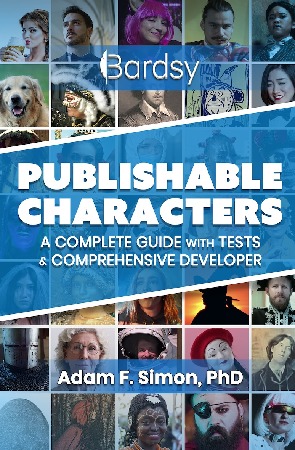
To jump start this process, Bardsy has developed a three ingredient Character Equation, which our freshly published guide, Publishable Characters: A Complete Guide With Tests & Comprehensive Developer, presents in full. This equation presents a two-part recipe that will produce an irresistible being, a main character that prompts the deep empathy that turns good novels into great ones. These two parts are finding the ingredients and the second part is blending.
Looking back, here's the first ingredient:
first ingredient: Parts of You.
And from from the last post,
the second ingredient: Cultural Universals.
This week's covers the third ingredient: Distinctive Referents, which steal from others. Also, don't forget our Comprehensive Character Developer, a way to build your characters online.
We've previously talked about using yourself in character creation and drawing on the cultural knowledge of your readers. Another great way to create a compelling character is to keep a sharp eye for those around you. Both fictitious and real, the people in your life are filled to the brim with unique traits and qualities that can be adapted into your own characters. With a little observation, you can find inspiration in just about anyone!
Using Referents
A referent is a person you know well (real or fictional) whose personality, habits, or emotional patterns you can borrow from. It is essentially creative recycling. You're not copying someone directly onto the page, but rather dissecting them, picking through parts like a vulture, and choosing what to incorporate into your character. Yes, it sounds macabre, but it's incredibly effective.
Again, be precise. Trace how certain intriguing features permeate their thoughts and behavior; then, steal those by listing them here for your recipe

This character-creating approach builds on the classic "write what you know" advice, as the first part of the Comprehensive Character Developer does. When you understand how someone truly thinks or reacts, you can translate that authenticity into your writing on behalf of your characters. Be sure to stay specific. Take only the pieces you need. And be sure to set boundaries on what you take, just as you would when drawing from yourself.
To put this into practice, select someone with an interesting trait and examine how it influences their worldview and behavior. Think: how does that one quality ripple through their life? How does it impact their choices, their tone, their body language? Observing these natural connections removes the guesswork.
For example, Albert Einstein is a cultural icon for genius. His name conjures chalkboards of equations, the theory of relativity, and wild, unruly hair. Yet these traits are not true referents. A referent requires closeness and understanding that transcends beyond cultural understanding. We recognize Einstein's messy hair but know little why it looked that way. Compare this to a close friend. You've seen their good and bad hair days, know how much they care about their appearance, and understand how their hair impacts their confidence. That level of familiarity, that grasp on someone's lived reality, defines a true referent.
The point isn't to analyze and then invent explanations. Referents let you borrow rather than figure out. Take a full slice of the person you know and implant it into your character. That piece already carries individuality; you don't need to manufacture it.
Now you have the three core ingredients for an authentic, investable character!

Using referents creates authenticity because you're using a fully realized human as your donor. The closer and more direct your experience is with the referent, the richer the material. But it's not really stealing! Think of it like grafting a fruit tree branch. The scion must be precisely cut, carefully matched, and blended so that it grows naturally. It's science!
Our best advice? Start small. Practice with one trait at a time, then experiment with combining features from multiple people to create complex hybrids. And before you know it, you'll have a whole orchard of unique fruit thriving in your garden.
What Not to Do
Be sure you don't simply tack on surface level quirks. The grab should be wide and deep and something meaningful. Think of a character who compulsively washes their hands. Over the course of a novel, frequently writing about their search for a nearby sink would be cringeworthy, repetitive, and downright tiresome. Instead, dig towards the root—germaphobia, in this case— and show how that fear shapes their choices, impacts their relationships, and guides their routine across the length of your story. A well chosen trait should permeate through action, manifesting through behavior, and ideally, help push the plot forward.
Be sure to look for traits with high psychological leverage. Those small things that change everything. Immediate family and close friends are your best sources, even if they don't know it. Well documented historical figures or detailed fictional characters can be useful too. The better you know your referent, the cleaner the graft, and the more believable your character will be.
The Perfect Crime
Observation and transformation are your best partners-in-crime for building authentic characters and stealing from those around you. Referents give you a blueprint for believable traits and emotional truth. By studying how real (or fictional) people think, react, evolve, you can infuse your characters with that same juicy depth. So the next time you find yourself stuck writing a flat character, don't reach for random detail. Look around you. Someone you already know may have the perfect fragment of humanity for your next creation.
Try it and you'll see that grasping referents is simpler than it sounds. Remember, the best way to create vivid, believable characters is not only with pieces of you and cultural universals, but with those around you, too. Draw from their quirks, contradictions, and small truths. When your understanding deepens, your referents sharpen, and your characters begin to come to life.
Use our Comprehensive Character Developer, to construct your being online for an extra boost. It produces a downloadable character sheet pdf. And stay tuned for the next step in this two part process: blending.